
A public-art date gives you a shared subject before either person has to invent an opening question. You can look at the same work, notice different details and discover what each of you finds interesting. You also have room to disagree about the art without turning the conversation into a debate you need to win.
For a first meeting in Dallas, choose a small part of the city's collection rather than promising an ambitious downtown tour. The Dallas dating guide can help you decide where this fits: a plan with someone you have agreed to meet, after choosing how you want to make introductions.
Start with the city's collection
The City of Dallas publishes an interactive public-art map with images and information about works in its collection. You can use it to plan an independent visit or explore virtually together.
Open the collection before making the invitation. Each choose a work you would like to see, then compare their locations. If they are far apart, choose one area for this date and save the other for another time. Being in the same city does not make two map pins a convenient walk.
The city's public-art program describes works in settings including parks, libraries and recreation centers. Check the setting of your chosen work. A piece associated with a public building does not tell you that its interior will be open whenever you arrive.
A City Hall starting idea
One place to investigate is the City Hall area. The city's public collection records identify Henry Moore's The Dallas Piece and Marta Pan's Floating Sculpture at City Hall. Both also appear in the city's 2026 arts-and-culture playbook.
Use those titles to find the works in the collection and read about them before choosing the visit. You could make looking at the two works your whole art plan, provided current access suits the date you choose. This is a starting idea to check together, rather than a measured walking route or a report from a recent visit.
For each work, start with what you can see: its shape, scale and relationship to the surroundings. Then compare that with the collection information. Knowing the artist's intention can add another layer, but you can have a response of your own without knowing art terminology.
Give the date a small shared activity
You could each choose one detail to show the other person. One of you might notice a repeated shape while the other notices how the work looks from another angle. Ask what drew their attention, then look again together.
Another option is to give each other an informal challenge: choose a work you would put near your own home, or one you would want to learn more about. Explain your choice rather than trying to predict the other person's taste.
Avoid treating the date as a test of cultural knowledge. You can say “I haven't seen this before” or “I don't know what to make of it yet.” Those are honest starting points for a conversation. You may find that the most interesting part is how differently you look at the same thing.
Agree on the walking and the finish
Choose an exact meeting point you can both identify. Say whether you are proposing one work, a couple of nearby stops or a longer walk. Ask whether that amount of walking works for the other person and agree on a point at which to decide whether to continue.
Check the forecast, current site information and any building access you intend to use. Keep your plan workable without relying on an unverified shortcut or an indoor stop being available. If you want refreshments afterwards, ask whether you both want to add them rather than making a purchase part of the invitation by default.
A message might be: “Would you like to choose a couple of works from the Dallas public-art map and see them together on Saturday afternoon? Let's keep it to one area and decide afterwards whether we want to do anything else.”
Leave the artwork and its setting as you found them
The city's visitor guidance encourages close looking, learning about the artist and respecting places that matter to the surrounding community. Use the collection's information and any posted instructions to guide your visit.
Keep the outing about looking and talking. An artwork's outdoor location does not establish permission to touch, climb or use it as a photo prop. Ask before taking or sharing a photograph of your date, too. You can enjoy the work without turning the afternoon into a public post.
If an outdoor visit no longer suits you both, the collection also offers a way to compare choices online and plan another day. For more kinds of outings, see our Dallas date-night guide. For a hosted introduction first, browse current events and the SPARK Quiz. Choose the opportunity to meet people separately, then make your art date around something you are both curious to see.
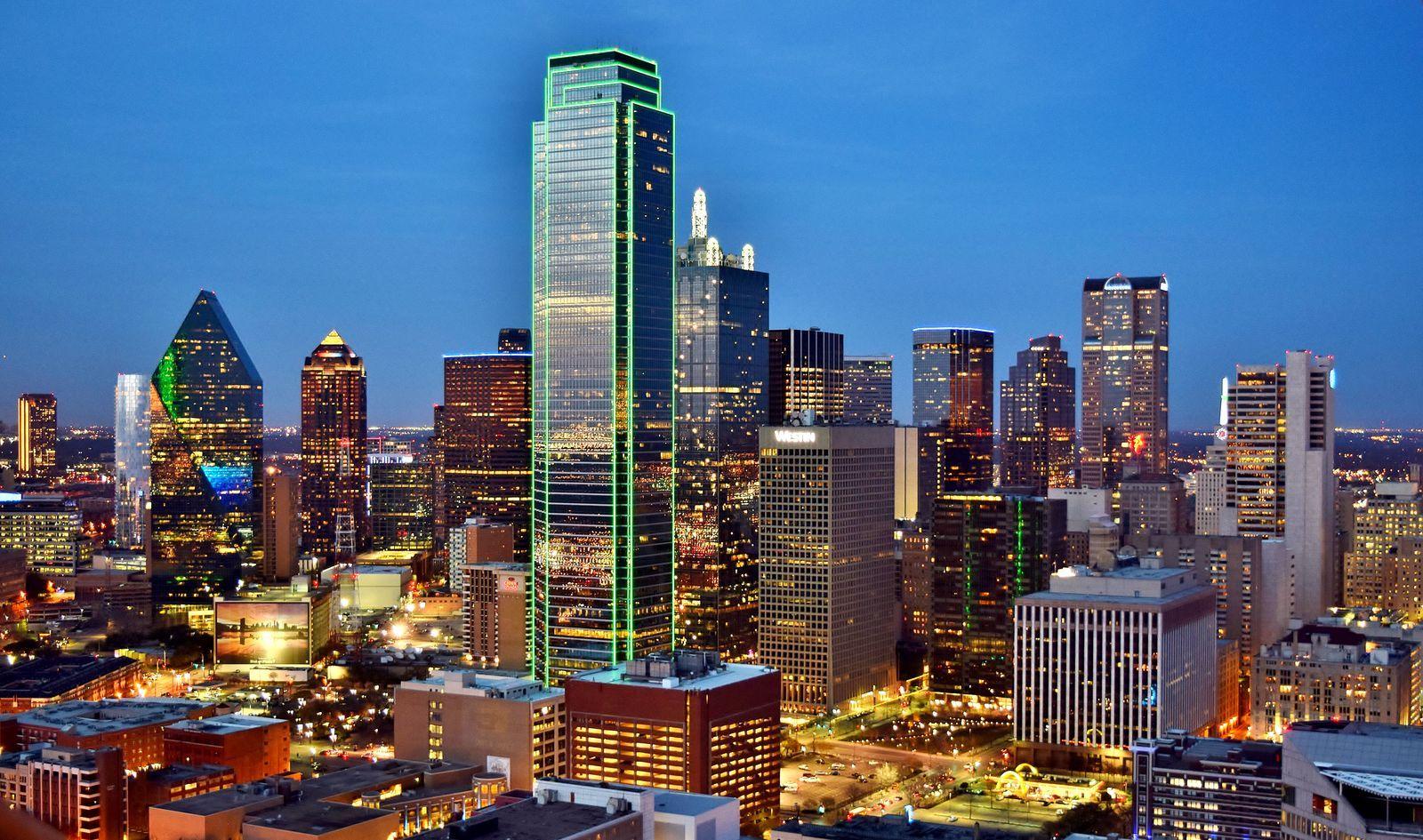
Illustrative city photograph by Nate Hovee / Pexels, used under the Pexels License. It does not depict a BTS event or partner venue.
A Dallas Public-Art Date FAQs
You can start with what you notice and compare reactions, then use the city collection information to learn about the work and artist.
The city’s collection records identify Henry Moore’s The Dallas Piece and Marta Pan’s Floating Sculpture at City Hall. Check the current setting and access before choosing your visit.
No. It is a proposed independent date using public collection information. No tour, building access or route is booked by this guide.
The city map page supports virtual exploration as well as planning a visit. You can compare works online and agree on another date.
Ready to Find Your Match in Dallas?
Take the free SPARK Quiz and join us at our next event. Every checked-in guest leaves with at least one match.
Next event · Dallas Singles Bash 2.0 Dec 5: Game Night · Saturday, December 5 · Dallas · from $39.00 Reserve →
Start Your Free SPARK Quiz →