
Picture yourself in the parking lot, car still running, trying to decide if you're actually going to walk in. That pause can happen even when you want to be there. Here is a guide to getting through it, using a Tulsa brewpub setting as an example rather than a minute-by-minute promise. Check your event listing for the actual venue, doors time and format.
The Walk In Is Shorter Than You Think
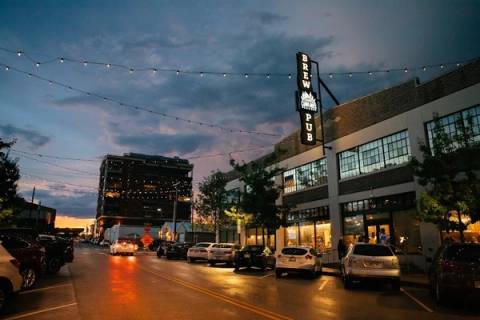
Think of a night at a place like Cabin Boys Brewpub: ordinary crowd noise, somewhere to get a drink, nothing that requires a dramatic entrance. A familiar social setting can make those first seconds less intense than you brace for. The room doesn't have to look like a dating show for people to meet. Beyond The Sparks uses different venues and event formats, so this is an example of the atmosphere, not a standing Thursday booking.
Check-In Is Where the Real Mechanics Start
The check-in table is the first place the event becomes different from a normal night out. You give your name and check in after completing the SPARK Quiz online. The quiz has 24 questions and four compatibility dimensions: Connection Pace, Lifestyle Rhythm, Emotional Processing and Togetherness Style. Your answers help prepare compatibility-matched introductions; attendance and check-in establish who is actually there to meet. That is a different starting point from a bar full of strangers.
The first ten minutes look like nothing is happening. That's exactly when the most important thing is.
Take the quiz before arriving and follow any deadline in your event instructions. It takes about five minutes online, and doing it beforehand gives you one less thing to think about at the door. Don't rely on being able to complete it at check-in; ask the team if you need help before the event.
The First Two Minutes Inside Feel Like Nothing Is Happening
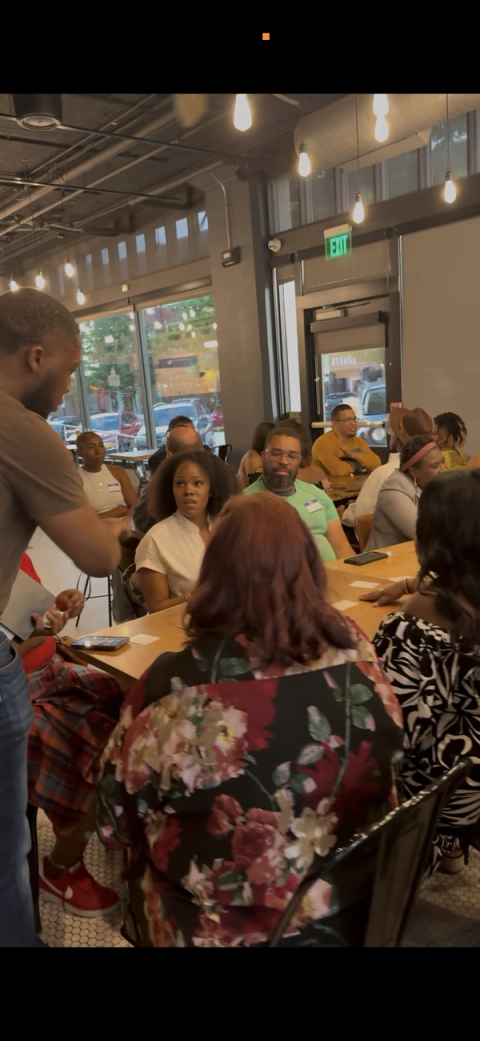
This is a part that's easy to skip when describing an event. You might not walk in and immediately get swept into conversation. For the first couple of minutes, you're just standing there, drink in hand if you grabbed one, looking at a room full of people who are also just standing there. It can feel like you've shown up too early, or like the energy hasn't started yet.
It has started. It just may not look like much from the outside, because other people can be doing the same quiet calculation you are: who do I want to talk to first, and how do I start? Someone who looks relaxed might still be finding their feet. You don't have to decide how well you belong from the first two minutes.
Why the Bar Can Be an Easy First Stop
At a brewpub event, the bar can be an easy first stop because ordering a drink gives your hands and your eyes a job. That drink can just as easily be water or something alcohol-free. It's the same reason people grab a drink at a wedding reception before they've talked to anyone. Sometimes having something to do makes standing alone in a crowded room feel less exposed.
Once a handful of people have drinks and have planted themselves somewhere, the room starts forming small clusters, usually two or three people who happened to end up near each other rather than anyone who sought anyone else out yet. Those first clusters don't have to last. They're openings, not destinations, and people can move between conversations as the room settles.
The First Real Conversation Usually Isn't the One You Planned
If you walked in with a mental list of who you wanted to talk to based on anything, something a friend mentioned or a face you clocked at check-in, there's a good chance your actual first conversation of the night is with someone completely different. Proximity does more work in the first ten minutes than intention does. You end up talking to whoever's standing near you when the room shifts, not whoever you'd ranked first in your head walking in.
This matters because it changes what the first ten minutes are for. They don't have to deliver the defining conversation of your night. One low-stakes exchange can be enough to get you started. A short hello, a question about the venue, or joining an activity can make the next conversation feel easier.
What the Staff Are Actually Doing During This Window
From the outside, the team may look like they're just mingling, helping at check-in or pointing people toward the room. If you came alone and haven't found an opening, tell a host. A low-pressure introduction can be as simple as an easy question that includes whoever is standing nearby. You don't have to wait for somebody to notice that you need a hand.
Depending on the format, an icebreaker activity might help get things moving. A quick game, a shared challenge, something with a built-in reason to talk to someone you haven't met yet. It's not there to be fun for its own sake, though it usually is. It's there because structured interaction removes the burden of generating your own opener, which can help when you're still settling in.
Why Giving Yourself Time Can Help
Here's a practical point that can get lost in what-to-expect advice: give yourself time to find the venue and check in. Arriving during the posted arrival window means you can settle in while the room is forming rather than feeling rushed. That doesn't mean arriving before doors open; the event instructions are the guide.
If the nerves in the parking lot are bad, you don't need to wait until you feel perfectly ready. Once doors are open, take the small next step: walk in, check in, and ask a host where to start.
What Changes by Minute Ten
As the opening minutes pass, the room can shift from standing around into something that feels more like a social event. Small conversations form, people move toward tables or quieter corners, and an activity may give you something to build on. There is no deadline to feel settled by minute ten. The point is to give the night a chance before deciding how it is going.
If the room still feels quiet, that isn't a verdict on the night. An activity or a direct introduction can give people another way in. Different groups find their footing at different speeds.
If You're Coming Alone
Walking in without a friend can make the parking-lot hesitation feel sharper and the first few minutes feel longer. But an opening conversation doesn't require a group arriving with you. Say hello to somebody nearby, join the activity if there is one, or ask a host for an introduction. You don't have to feel settled as quickly as anyone else.
What This Looks Like Differently at a Themed Night
A themed game night can give this opening window a different shape. When a game is the opening activity, the standing-around phase may be shorter because there's an immediate, structured reason to be doing something with a stranger instead of just orbiting the bar. The same ingredients still matter: completing the SPARK Quiz before attending, checking in, and having a reason to start talking. Follow the listing for the particular night's activities.
That's worth knowing if your first event happens to be a themed one. You might not get the same slow, standing-around adjustment period described above. You may get folded into something faster, which some people find easier and others find more disorienting. Neither reaction is wrong. It's just a different on-ramp into the same room.
Why This Window Matters More Than People Think
It would be easy to read all of this as trivia, mildly interesting color about the first ten minutes of a night that's really about the two hours after it. That undersells how much the opening window actually determines. The conversations you have early tend to set your read on the whole room. A good first conversation, even a short, forgettable one, tends to make you more open to the next one. A first ten minutes spent frozen near the door tends to compound the opposite way, making each subsequent attempt feel slightly heavier than it needs to.
This is part of why asking a host for a hand can matter more than it looks like it does from the outside. A single well-timed, low-pressure nudge in minute three or four can change the entire trajectory of someone's night, not because that one conversation was special, but because it broke the freeze early enough that everything after it got to build on momentum instead of starting cold.
What First-Timers Consistently Get Wrong
One easy mistake is assuming the standing-around phase means something's wrong, either with the event or with you. Hesitation doesn't tell you that you're bad at this. Another is forcing yourself to deliver a perfect opener. A simpler move is enough: get some water, let your eyes adjust to the room, and ask the person nearby a question you actually want answered.
The So What
The first ten minutes of a Beyond The Sparks night can look like nothing is happening while you're doing the quiet work of settling in. Knowing that in advance doesn't make the parking-lot moment disappear. It just makes it feel a lot less personal.
Take the free SPARK Quiz before you go, then check the event calendar for the actual venue and arrival instructions. If your next night is not listed, choose your market for event emails. Confirm your email to hear when there is news to share; the list is not a ticket or reservation.
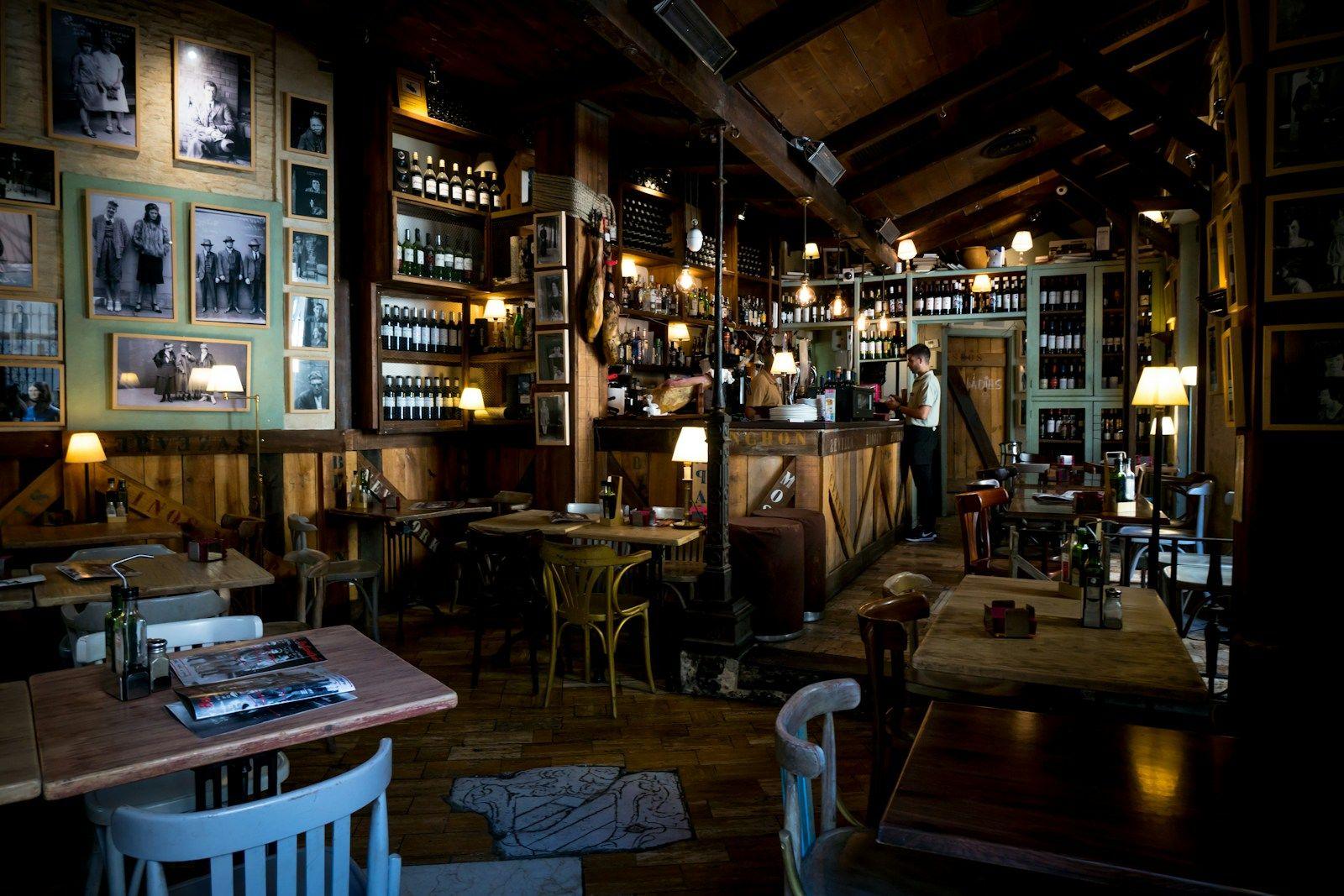
Illustrative stock photo: Austin Gardner / Unsplash.
Frequently Asked Questions
Yes. It can take a little time to settle into a room of people you don't know. A quiet start doesn't mean you're doing anything wrong; ask a host for an introduction if you need a hand.
Complete it before arriving and follow any deadline in the event instructions. It takes about five minutes online. Don't rely on being able to complete it at the door.
Allow time to find the venue and check in during the posted arrival window. Don't arrive before doors open; use the specific event listing rather than a general rule.
Check the event calendar or choose Tulsa on the event email page and confirm your email. The interest list is not a ticket, reservation or promise of a particular date.
Ready to Find Your Match in Tulsa?
Take the free SPARK Quiz and join us at our next event. Every checked-in guest leaves with at least one match.
Start Your Free SPARK Quiz →